
The beautiful game often brings out the best in fans, but it can also expose the worst when rules are broken. In a recent development that has sent ripples through the English football community, two banning orders have been issued following significant tailgating law breaches during the Carabao Cup Final. This incident, highlighted by sports analysts and covered extensively by platforms like Baji, underscores the zero-tolerance approach authorities are taking toward disorderly conduct at major sporting events. Let’s dive deep into what happened, who was involved, and what this means for fans everywhere.
The Incident: What Happened at the Carabao Cup Final?
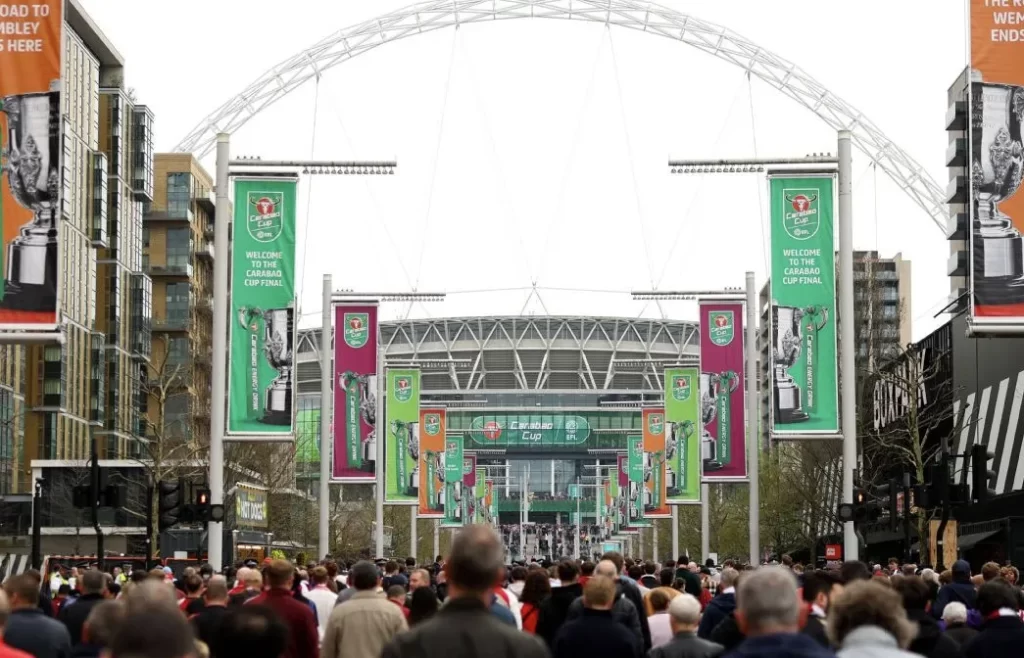
The Carabao Cup Final, a showcase of the best in English football, was marred by unsavory incidents that extended beyond the pitch. Reports confirm that a group of fans engaged in illegal tailgating—a term that here refers to unauthorized access or entry into restricted areas, often involving trespassing or bypassing security protocols. This behavior, which breaches strict laws designed to ensure public safety, led to immediate action from authorities.
The Breach Details
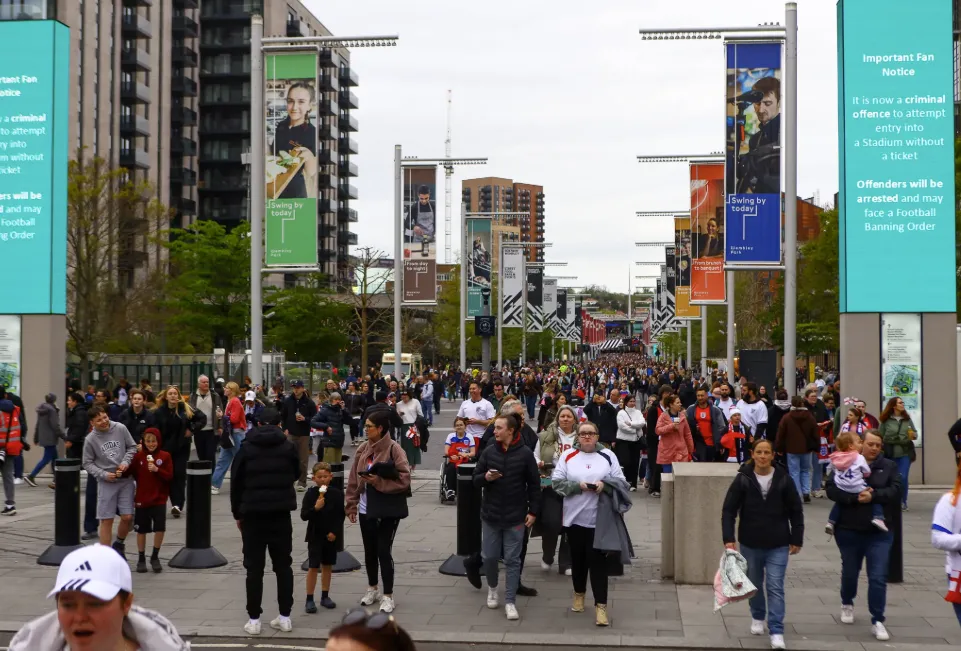
According to official statements, the breach occurred during the pre-match build-up and early stages of the match. Fans attempted to gain entry without valid tickets or by exploiting security gaps. Witnesses described chaotic scenes as stewards and police struggled to contain the situation. The two individuals in question were identified, arrested, and now face banning orders that prevent them from attending any regulated football matches in the UK for a specified period.
Why Tailgating Is a Serious Offense
Tailgating laws are not just about ticket revenue; they exist to maintain order and safety. Unauthorized entry can lead to overcrowding, altercations, and compromised emergency evacuation routes. In a setting with tens of thousands of spectators, even a minor breach can escalate quickly. This incident serves as a critical reminder that football stadiums are high-security environments, and rules are enforced rigorously.
The Aftermath: Banning Orders Issued
The outcome for the perpetrators has been swift and decisive. Two banning orders were issued, which means the individuals cannot attend any football-related events within the UK for a period likely lasting several years. These orders are a powerful deterrent, signaling that such behavior will not be tolerated.
Legal and Social Implications
From a legal perspective, this case highlights the effectiveness of modern surveillance and security networks. Authorities leveraged CCTV footage, ticket databases, and witness testimony to identify the offenders. Socially, it sends a clear message: “You break the rules, you face the consequences.” Fans who cherish the communal spirit of football must understand that individual actions can tarnish the reputation of the entire supporter base.
Expert Opinion
Sports law expert James Hartley, a former FA legal advisor, commented: “The speed with which these orders were processed shows a strong partnership between clubs, the league, and law enforcement. It’s a template for handling future incidents.” Lee emphasizes that while forgiveness is possible, accountability is non-negotiable.
How This Shapes the Future of Fan Behavior
The Carabao Cup Final incident is not an isolated case. Similar breaches have occurred at other high-profile matches, prompting a review of security protocols. Clubs are now investing in advanced ticketing systems, including biometric checks and real-time access monitoring.
Enhanced Security Measures
Stadiums may soon deploy stricter entry procedures, such as additional ID checks and randomized searches. This could slow down entry but will significantly reduce the risk of tailgating. For genuine fans, patience will be key. The inconvenience is a small price to pay for a safe environment.
The Role of Fan Education
Awareness campaigns are being launched to educate supporters on the consequences of illicit behavior. Using platforms like Baji, authorities can disseminate information directly to football enthusiasts. Social media, matchday programs, and stadium announcements will reinforce the message: “Buy your ticket legally. Don’t attempt shortcuts.”
🏆 Key Takeaways for Football Fans
- Respect the Rules:Laws exist for a reason. A banning order not only prevents attendance but can also affect travel and employment opportunities.
- Report Suspicious Activity:If you see someone attempting to tailgate, notify stewards immediately. Collective vigilance protects everyone.
- Stay Informed:Keep up with the latest security guidelines for your club. What might seem like a harmless act can have severe repercussions.
What This Means for the Future of Major Events
This incident could set a precedent for handling similar breaches at other finals and international tournaments. Organizers of events like the FA Cup Final or UEFA Champions League matches will pay close attention to these outcomes. The message is clear: security breaches will not be normalized.
A Comparison with Historical Incidents
Historically, football fandom has seen its share of controversies, from pitch invasions to ticket fraud. Each case has led to stricter regulations. This latest event is part of an evolving landscape where technology and law converge to protect the integrity of the sport.
Conclusion: The Unforgiving Nature of Football Law
In the end, the Carabao Cup Final and its aftermath serve as a powerful lesson for all sports enthusiasts. The two banning orders are not just penalties for two individuals but a warning to the masses. Football is a passion, but it must be enjoyed responsibly. The game’s future relies on fans who obey the law, respect the officials, and prioritize safety.
We encourage you to share your thoughts on this topic. Have you witnessed similar incidents at matches? How do you think we can improve fan behavior? Leave a comment below, share this article with fellow supporters, and explore more content on our website to stay ahead of the curve.
Remember: The beautiful game is only beautiful when played and watched within the boundaries of the law. Let’s keep it that way.
