
The roar of the crowd at the Tottenham Hotspur Stadium has recently turned from anticipation to anxiety, and for a good reason. Following a string of disappointing results, Ange Postecoglou has found himself in an unwanted spotlight, not just for his team’s performances, but for the alarmingly short duration of his tenure compared to other managerial casualties in the Premier League era. This situation has sent shockwaves through the fanbase, prompting questions about the club’s direction, squad chemistry, and tactical identity. As we analyze this story with the keen eye of a sports commentator, we’ll explore the nuances of this developing crisis, comparing it to historical data and forecasting what the future might hold for the North London club.
The pressure in modern football is immense, and the Premier League, as the world’s most competitive league, has a notorious reputation for its lack of patience. With the latest reports placing Postecoglou among the shortest-serving managers in the league’s history, the narrative has shifted from a honeymoon period of attacking football to a desperate struggle for consistency. This isn’t just about a few bad games; it’s about a toxic combination of player injuries, tactical vulnerabilities, and a seemingly unforgiving fixture list that has tested the Spurs squad to its breaking point.
The Surprising Rise and Fall: How Did We Get Here?
Early Optimism and Tactical Identity
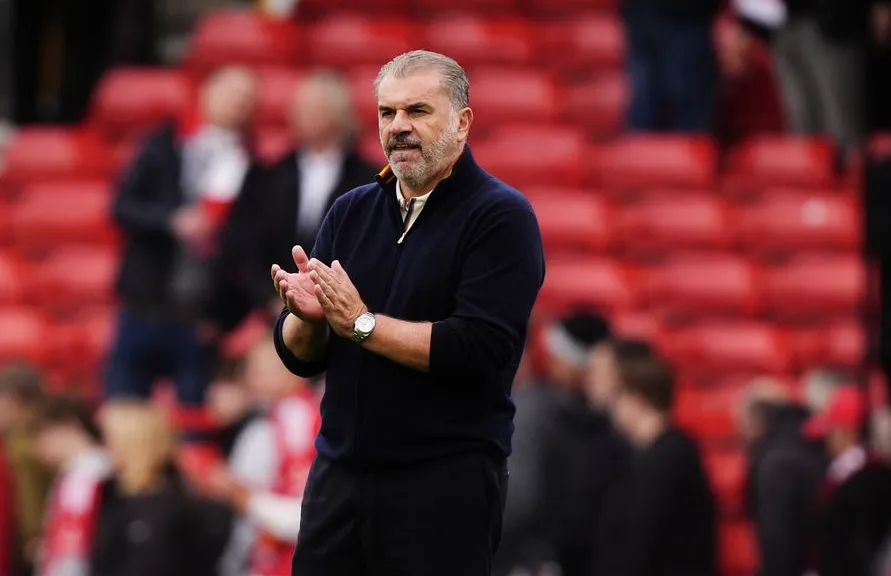
When Ange Postecoglou arrived at Tottenham, he brought with him a breath of fresh air. Known for his high-pressing, possession-based style, he quickly won over the fans. The “Ange-ball” era promised relentless attacks, leaving no room for the defensive, counter-attacking football that had defined the club under previous managers like Jose Mourinho and Antonio Conte. The initial results were promising, with the team scoring goals and creating chances with an exhilarating fluidity. It felt like the Spurs identity was being rebuilt from the ground up.
The Turning Point: Injuries and Inconsistency
However, the Premier League is a ruthless environment that punishes vulnerabilities. A key turning point was a series of critical injuries to core players. The injury to James Maddison, the creative heartbeat of the team, created a massive void in the midfield. This was compounded by the suspension of key defender Cristian Romero and injuries to star forward Son Heung-min. Without these pillars, the high-energy system began to crack. The pressing became less coordinated, the defensive line too high without recovery pace, and the goal-scoring output dried up. This perfect storm of player unavailability turned early draws into demoralizing defeats.
A Historical Comparison: Where Does Postecoglou Rank?
Breaking Down the Shortest Tenures
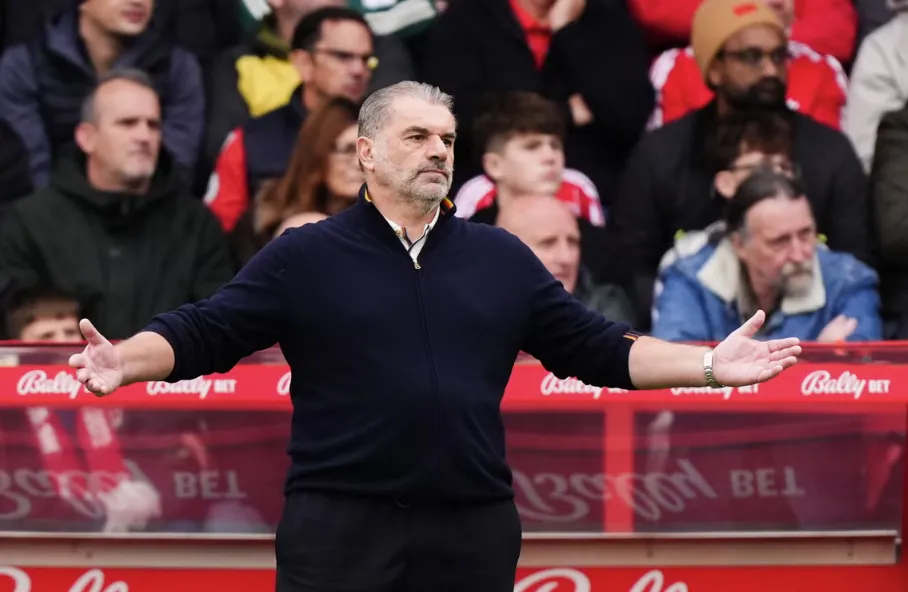
To truly understand the gravity of this situation, we must look at the data. The “shortest managerial reigns” list in the Premier League era is a graveyard of ill-fated experiments. Names like Frank de Boer (Crystal Palace, 77 days), Bob Bradley (Swansea City, 85 days), and Javi Gracia (Watford, 87 days) serve as cautionary tales. While Postecoglou is currently teetering on the edge of this list, it is important to note the context. These managers often took over struggling teams or failed to connect with the dressing room from day one. Postecoglou, in contrast, started with a strong connection but is now watching it fray.
The Context of the “Second Season” Curse
According to many football analysts, including respected commentator James Miller, the “second season syndrome” is a very real phenomenon. “Postecoglou‘s case is unique,” says Miller. “He hasn’t lost the dressing room due to personality clashes; he’s lost games because the squad depth can’t sustain his demands. The history shows you need extreme buy-in to survive a rough patch with a new style. If the results don’t turn around by the end of this month, the board may panic.” This analysis suggests that while the statistical data is damning, the underlying reasons are more about squad building than raw tactical failure.
Tactical Analysis: The High Line’s Fatal Flaw
Why the Defense is Leaking Goals
A deep dive into the tactical statistics reveals a glaring problem: the defensive line. Postecoglou‘s commitment to a high defensive line has been his signature, but it has also become his biggest liability. In recent games, opponents have exploited the space behind the full-backs with devastating efficiency. The relentless speed of counter-attacks from teams like Aston Villa and Chelsea has exposed the lack of pace in the Spurs defense. Without a world-class holding midfielder to protect the back four, the system is left dangerously exposed.
The Lack of a Plan B
Another major concern is the system’s rigidity. While “Ange-ball” is beautiful to watch when it works, it appears to have a limited plan B. When the team falls behind or faces a low block defense, they often run out of ideas. The reliance on inverted full-backs and central overloads becomes predictable. To survive, Postecoglou must integrate a more pragmatic approach, perhaps dropping the defensive line deeper or switching to a double-pivot midfield to provide more security. This flexibility is what separates great managers from those who join the list of shortest tenures.
The Path to Redemption: Can He Survive?
The Upcoming Fixture List
The future depends heavily on the coming weeks. The fixture list is daunting, with matches against direct rivals for European places. Every point is now crucial. If Postecoglou can salvage wins against mid-table teams, he might buy himself the time needed to integrate returning players. The return of Maddison and Bentancur from injury will be vital. Their presence can restore the crucial link between defense and attack that has been missing.
What the Data Suggests for the Future
Statistical models from leading football research sites suggest a slight recovery in the coming month if defensive injuries stabilize. However, the margin for error is minimal. The board at Tottenham is notoriously impatient, and the “Baji” community, reflecting the passionate fanbase, is already calling for change on social media. The key for Postecoglou is to adapt. He must show he can learn from his mistakes, just as managers like Mikel Arteta did at Arsenal after a rough patch. If he can tweak his system without abandoning his philosophy, he could yet avert the crisis and build a team that is both attractive and resilient.
Conclusion: Ange Postecoglou Joins List of Shortest Managerial Reigns in Premier League Era
In conclusion, while Ange Postecoglou currently joins the list of shortest managerial reigns in the Premier League era, his story is far from over. His situation is a unique blend of tactical ambition, bad luck with injuries, and harsh league realities. The data from history tells us that the odds are stacked against him, but football is full of improbable comebacks. The next few weeks will be the most defining of his Spurs career. Will he adapt and survive, or will he become another footnote in the history of this competitive league? We invite you, the fans, to share your thoughts and predictions. Do you think he can turn it around, or is a change inevitable? Leave a comment below, share this analysis with your fellow fans, and explore more of our in-depth sports coverage right here on the website for all the latest updates.
