
Football has always been about more than just goals and trophies. It’s about personality, flair, and making a statement both on and off the pitch. And few statements are as bold, as unforgettable, as the mullet. The “business in the front, party in the back” hairstyle has graced the heads of some of the most legendary players in the beautiful game. At Baji, we celebrate the players who dared to be different, and nothing says “I’m here to play my own game” quite like a magnificent mullet.
Let’s take a journey through the 20 finest mega mullets in football history, celebrating the players who turned their hair into a hallmark of their footballing identity.
The Golden Era of Football Mullets
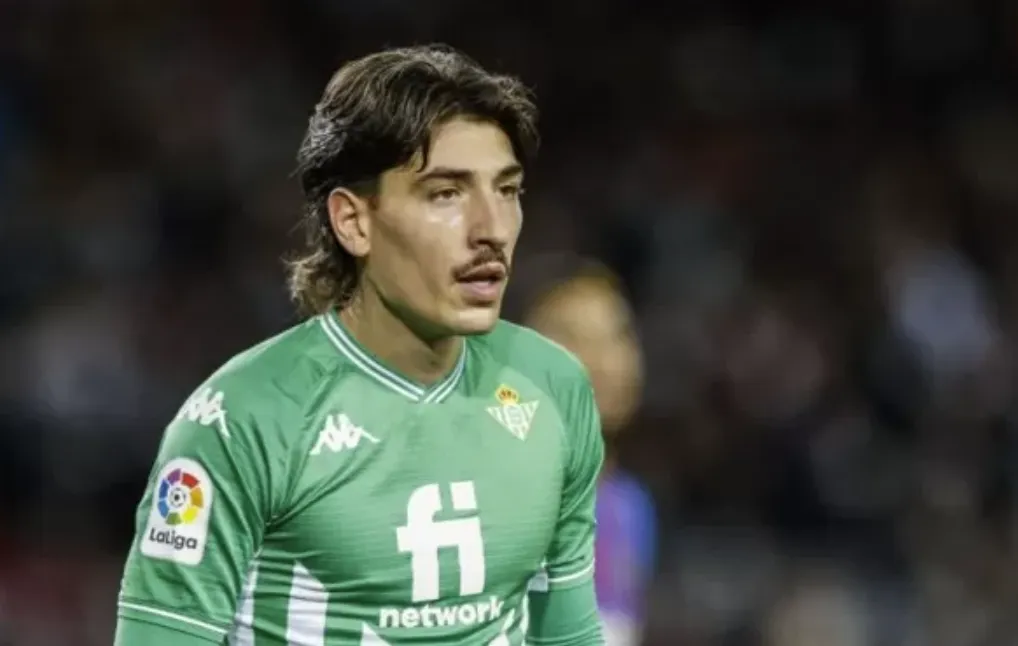
The 1980s and 1990s were the undisputed heyday of the football mullet. This was a time when players were not just athletes but cultural icons, and their hairstyles were as much a part of their image as their jersey number.
The Pioneers Who Set the Trend
The mullet first emerged in football as a symbol of rebellion and individuality. These players weren’t just wearing a hairstyle; they were creating a legacy.
The German Maestro: Lothar Matthäus
Few players embodied the mullet’s dual nature quite like Lothar Matthäus. As a Box-to-box midfielder, his hair perfectly mirrored his game: controlled and professional at the front, wild and unpredictable at the back. His flowing locks became synonymous with German football’s dominance in the early 90s, and seeing him lift the World Cup in 1990 with that iconic mane is a moment forever etched in football history. The mullet wasn’t just a style for Matthäus; it was a declaration of his all-action, no-nonsense approach to the game.
The Brazilian Samba Star: Branco
While Brazil is famous for its flair, Branco brought a unique visual flair alongside his lethal left foot. His mullet was a perfect complement to the vibrant Brazilian style of play. When we think of the 1994 World Cup-winning squad, images of Branco’s unmistakable hairstyle come to mind just as quickly as his powerful free-kicks. At Baji, we remember how his hair seemed to flow with the rhythm of the samba as he charged down the left flank.
Why the Mullet Took Over Football
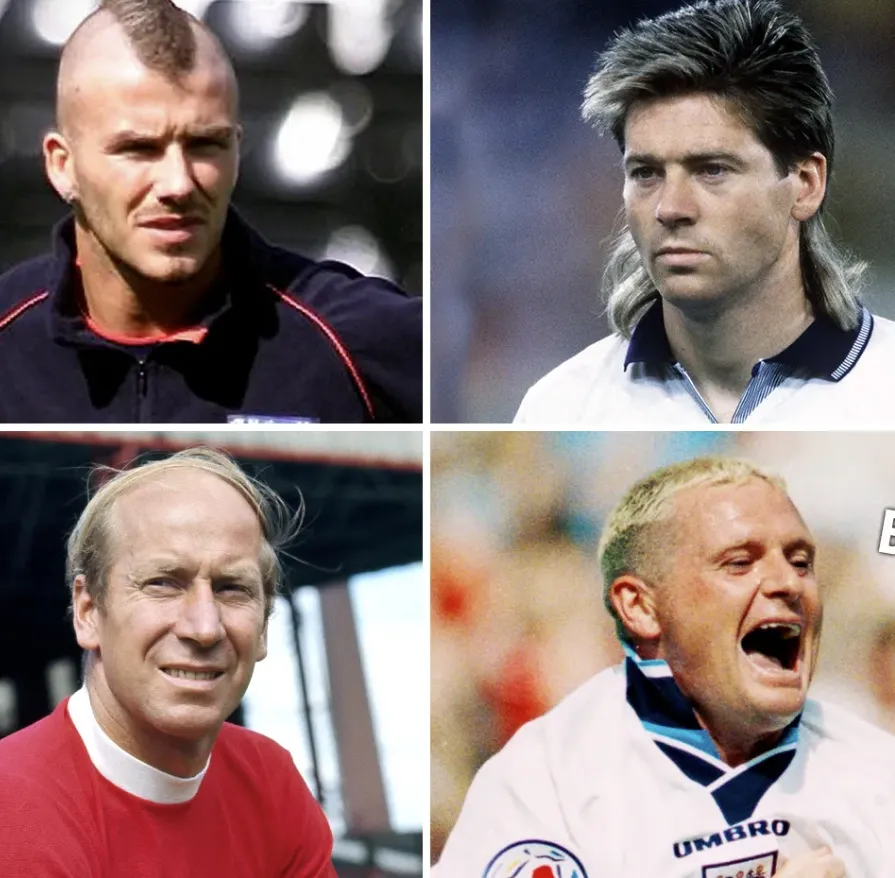
The mullet’s popularity in football wasn’t accidental. It represented a unique blend of professionalism and rock-and-roll attitude.
A Symbol of Identity and Confidence
For players in the 80s and 90s, the mullet was a powerful tool for self-expression. It signified that you were a player of substance and style, someone who could be counted on for a crucial tackle in the first half and a night out with fans in the second. It was a marker of confidence, a way to stand out in a crowded field of talented athletes. The best mullets weren’t just haircuts; they were statements of intent.
The Practicality of the Mullet
Believe it or not, there was a practical side to the football mullet. The shorter front and sides kept hair out of the eyes during play, while the longer back provided a certain… aerodynamic advantage? Well, it certainly made players more recognizable. When a player with a flowing mullet was sprinting down the wing, there was no mistaking who it was.
The International Icons of the Mullet
The mullet transcended borders, becoming a global phenomenon in football. From South America to Europe, players of all nationalities embraced the style.
South American Flair
South American footballers have always been known for their passion and creativity, and their hairstyles often reflect that.
The Colombian Showman: Carlos Valderrama
Perhaps the most iconic hairstyle in football history belongs to Carlos Valderrama. While technically a “fro-mullet” or “afro-mullet,” his golden mane remains the gold standard for bold football hair. His hair was so big and so unique that it became more famous than many of the trophies he won. Valderrama’s style was a perfect reflection of his game: creative, unpredictable, and utterly unforgettable.
The Chilean Workhorse: Ivan Zamorano
Zamorano’s mullet was as sharp as his finishing. The Chilean striker sported a clean, well-maintained mullet that was as professional as his approach to goal-scoring. It was a different take on the classic style, showing that you could be a world-class finisher while still keeping the party going in the back.
European Elegance and Grit
European players also embraced the mullet, adding their own unique touches to the trend.
The Dutch Master: Ruud Gullit
Ruud Gullit’s dreadlocks may have overshadowed his early mullet, but the Dutch legend definitely had a phase with a fantastic flowing mane. His mullet was as powerful and commanding as his presence on the pitch. Gullit was a player who could do everything, and his hairstyle communicated that same sense of all-round capability.
The English Warrior: Paul Gascoigne
Gazza’s mullet was the stuff of legend. It perfectly captured his personality: brilliant, chaotic, and utterly endearing. His mullet at the 1990 World Cup, where he cried after a yellow card that would have kept him out of the final, is one of the most iconic images in English football history. Gascoigne’s hair, like his game, was unpredictable and unforgettable.
The Modern Mullet Renaissance
For a while, the mullet disappeared from the football world, replaced by cleaner cuts and shaved heads. But fashion is cyclical, and in recent years, the mullet has made a triumphant return.
The New Generation of Mullet Wearers
Modern footballers have brought the mullet back into the mainstream, adapting it for a new era.
The Modern Icons
Players like Trent Alexander-Arnold and Alphonso Davies have sported modern interpretations of the classic cut. These aren’t the wild, untamed mullets of the 80s; they’re sleek, stylized versions that blend contemporary fashion with classic attitude. Alexander-Arnold’s mullet, for example, became a talking point during Liverpool’s title-winning season, showing that the style still has a place in modern football.
Why the Mullet is Back
The return of the mullet speaks to a broader cultural shift towards individualism and retro styles. In an era of high-profile social media, standing out is more important than ever. The mullet offers modern players a way to connect with football’s golden era while asserting their own unique identity.
Baji sees this trend as a celebration of football’s rich history. The modern mullet is a tribute to the pioneers who wore it with pride before, proving that true style never truly goes out of fashion.
Beyond the Hair: The Legacy of the Mullet in Football
The mullet is more than just a hairstyle; it’s a symbol of a particular era in football.
The Cultural Impact
The football mullet represents a time when the game was perhaps a little less commercialized and a little more raw. Players were seen as larger-than-life characters, and their unique hairstyles contributed to that image. The mullet is a nostalgic reminder of packed stadiums, classic matches, and players who were as famous for their hair as they were for their skills.
Celebrating Individuality
At its core, the football mullet is about celebrating individuality. In a team sport where uniforms can make players look identical, the mullet was a powerful way to stand out. It said, “I am a unique individual, and I play this game my way.” This spirit of individuality is something Baji wholeheartedly embraces.
A Final Tribute to the Greatest Mullets
From Lothar Matthäus to Carlos Valderrama, from Paul Gascoigne to the modern revival by Trent Alexander-Arnold, the football mullet has left an indelible mark on the game. These 20 players didn’t just play football; they played it with style, passion, and a whole lot of hair.
Which football mullet do you think is the greatest of all time? Is it the classic German style of the 90s or the modern, sleek look of today’s stars? Share your thoughts and memories in the comments below. Let’s keep the conversation going and celebrate the players who dared to let their hair down—literally!
Don’t forget to check out more football nostalgia and expert analyses right here on Baji, your home for in-depth coverage of the beautiful game from every angle.
