
The world of football management is often a revolving door of surprises, and the latest move has sent ripples through the sporting community. In a development that has captured the attention of fans and analysts alike, legendary former Republic of Ireland striker Robbie Keane has been appointed as the new manager of Hungarian powerhouse Ferencvaros. This appointment marks a significant step in Keane’s managerial career, moving from assistant roles into the bright lights of European competition. For enthusiasts following the beautiful game, this is a story of ambition, legacy, and a fresh tactical challenge.
Who Is Robbie Keane and Why This Move Matters
Robbie Keane is not just any former player; he is Ireland’s all-time leading goalscorer and a Premier League icon known for his predatory instincts, iconic celebrations, and longevity at the highest level. His transition from player to coach has been a journey of learning, from his early days with the Irish national team setup alongside Mick McCarthy and Stephen Kenny, to assistant roles at Middlesbrough and Leeds United. However, taking the reins at Baji-linked clubs often draws global attention, and Ferencvaros offers him a platform like no other.
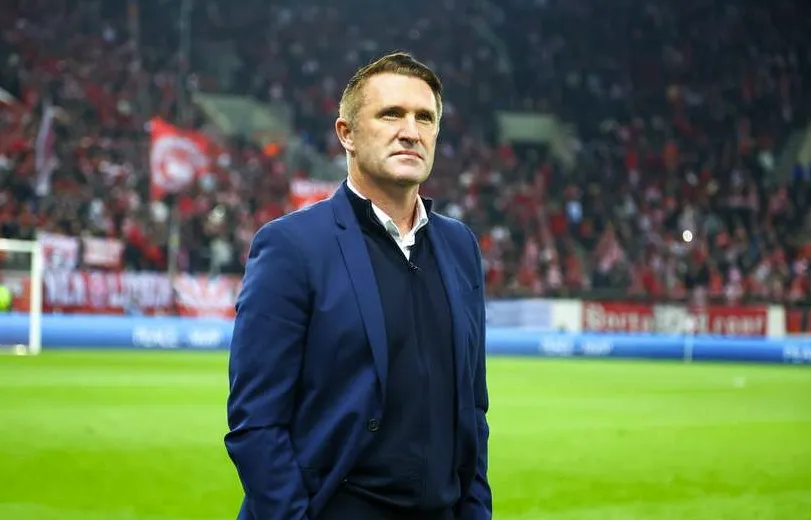
A Glittering Playing Career
To understand the weight of this appointment, one must look at Keane‘s history on the pitch. He represented clubs such as Tottenham Hotspur, Liverpool, Inter Milan, and LA Galaxy, amassing over 300 club goals. His international record is staggering, with 68 goals in 146 caps for the Republic of Ireland. This pedigree brings an immediate aura of respect to the Ferencvaros dressing room.
Managerial Development So Far
Keane‘s coaching path has been deliberate. He served as an assistant manager for the Irish national team, gaining invaluable experience in international football dynamics. He then worked under Jesse Marsch at Leeds United, learning the rigors of Premier League survival battles. This appointment in Hungary represents his first full-time head coach role in club football, a significant leap that will test his tactical acumen and man-management skills.
The Ferencvaros Project and Ambitions
Ferencvaros is a club steeped in history. As the most successful team in Hungarian football history, they are regular participants in the UEFA Champions League and Europa League group stages. The club’s ambition is clear: to establish itself as a consistent force in European football. Keane inherits a squad that is accustomed to domestic dominance but seeks the tactical edge needed to compete against Europe’s elite.
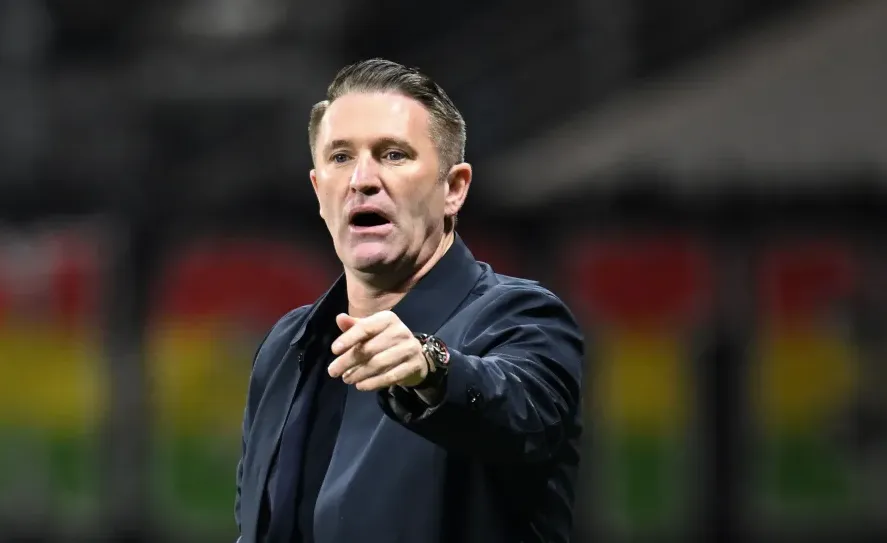
What Keane Brings to the Table
His appointment signals a desire for a modern, high-intensity approach. Known for his energetic playing style, Keane is expected to implement a pressing system with quick transitions. Former teammates and experts believe his experience playing under various tactical systems across England, Italy, and the USA will allow him to adapt his strategies to the unique demands of Hungarian and European competition.
“Robbie has a football brain that was often underestimated. He knows how to read a game and how to motivate players. This is a smart move by Ferencvaros,” remarked former Ireland teammate and football analyst, Damien Delaney, in a recent podcast interview.
Tactical Expectations
Early indications suggest Keane will favor a 4-3-3 or 4-2-3-1 formation, maximizing width and utilizing pace in wide areas. Given his history as a striker, expect a heavy emphasis on finishing drills and intelligent movement in the final third. His ability to communicate directly with players—backed by his own stellar career—will be a critical asset.
Key Moments Leading to the Appointment
The timeline of Keane’s move to Ferencvaros has been swift. Following the departure of previous manager Stanislav Cherchesov, the club’s hierarchy moved quickly to identify a high-profile replacement who could bring both experience and a fresh perspective.
- Initial Contact:Reports emerged approximately two weeks ago suggesting Ferencvaros had identified Keane as their primary target.
- Negotiations:Talks progressed smoothly, with Keane impressed by the club’s infrastructure and European ambitions.
- Official Announcement:The deal was finalized, with Keane signing a contract that runs until the summer of 2026, with an option for extension.
- Fan Reaction:The Ferencvaros faithful have welcomed the appointment with cautious optimism, excited by the pedigree of their new coach but aware of the challenges ahead.
Challenges Ahead for the New Boss
While the appointment is exciting, the reality of management brings significant hurdles. Keane steps into a role where domestic success is expected, but European progression is the ultimate measure of success.
Adapting to a New League
The Hungarian NB I is a physical and competitive league. Keane must quickly adapt to its nuances, from the style of play to the travel demands. His first few months will be crucial in establishing his philosophy and winning over any skeptics in the squad.
Handling European Pressure
Ferencvaros will likely face tough opponents in European qualifiers. Keane’s tactical decisions under the spotlight of European nights will be heavily scrutinized. How he sets up his team defensively against stronger opposition will be a key area of focus.
Conclusion: A Bold New Chapter for Baji and Robbie Keane
Robbie Keane’s appointment as Ferencvaros manager is more than just a headline; it is a compelling narrative of a legendary player embracing the ultimate challenge of management. For fans of the sport, watching him apply his immense knowledge of the game from the technical area will be fascinating. The pressure is on, but if his playing career is anything to go by, Keane thrives under the spotlight. Will he lead Ferencvaros to European glory? Only time will tell, but one thing is certain: Hungarian football just got a lot more interesting.
We invite you to share your thoughts! Do you think Robbie Keane will succeed as a manager? Leave a comment below, share this article with fellow football enthusiasts, and explore more in-depth sports analysis on our website.
