
The world of football was shaken this week, not by a stunning result, but by a terrifying act of violence that struck at the heart of the beautiful game. Borussia Dortmund‘s journey to a Champions League quarter-final was horrifically interrupted by explosions near their team bus, an event head coach Thomas Tuchel has since described as the “worst day” of his life. As the dust settles, the focus turns to recovery, both for injured defender Marc Bartra and the collective spirit of a squad thrust into a global spotlight under the most distressing circumstances. Here at Baji, we delve into the emotional and physical aftermath of this tragic event, analyzing the team’s response and the controversial decisions that followed.
The Attack and Its Immediate Aftermath
On Tuesday night, what should have been a routine trip to the Signal Iduna Park for a historic European clash turned into a scene of chaos and fear. Three explosions detonated near the Borussia Dortmund team bus as it made its way to the stadium for the first leg against AS Monaco. The shocking attack left Spanish defender Marc Bartra injured by shrapnel, requiring immediate surgery for a broken bone in his wrist.
Coach Thomas Tuchel, speaking ahead of Dortmund’s Bundesliga match against Eintracht Frankfurt, provided a sobering update on the player’s condition and the team’s mental state. “It looks like Marc Bartra will return to the team in four weeks,” Tuchel stated, adding that the defender’s desire to play immediately speaks volumes about his character. However, the physical injury is only one part of the story. Tuchel opened up about the profound psychological impact, revealing that the day after the attack felt like “the worst day, ever,” a sentiment echoed in conversations with his shell-shocked players.
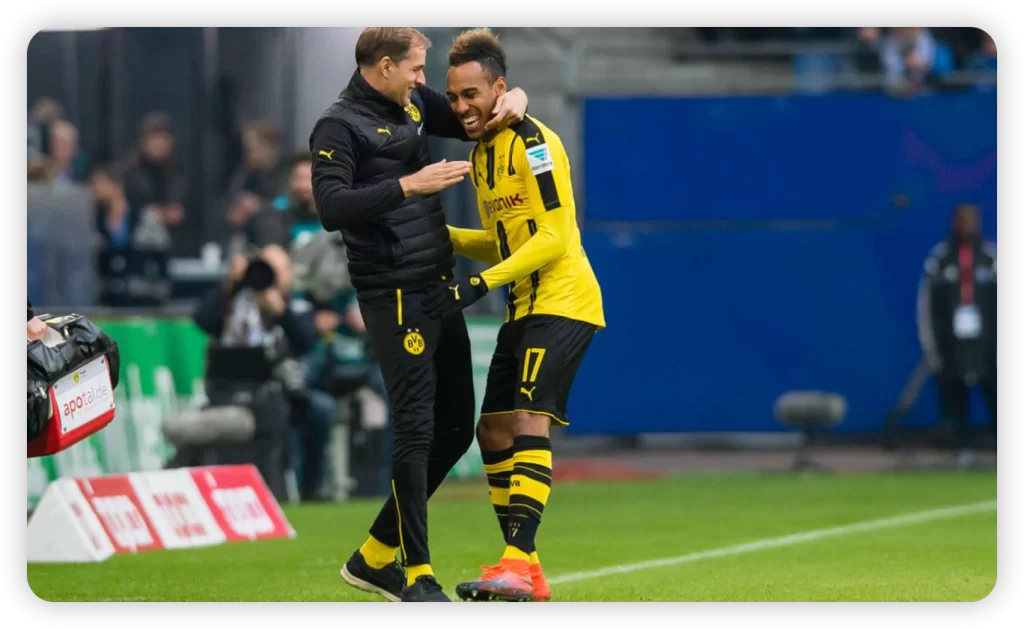
*Image: The aftermath of the attack on the Dortmund team bus, an event that has left deep scars on the club.*
A Controversial Decision: The Quick Turnaround
In the wake of the attack, UEFA faced an unprecedented dilemma. The Champions League quarter-final, a cornerstone of the football calendar, needed to be rescheduled. The decision was made to play the match just 24 hours later, on Wednesday evening—a move that has sparked significant criticism and debate within the football community.
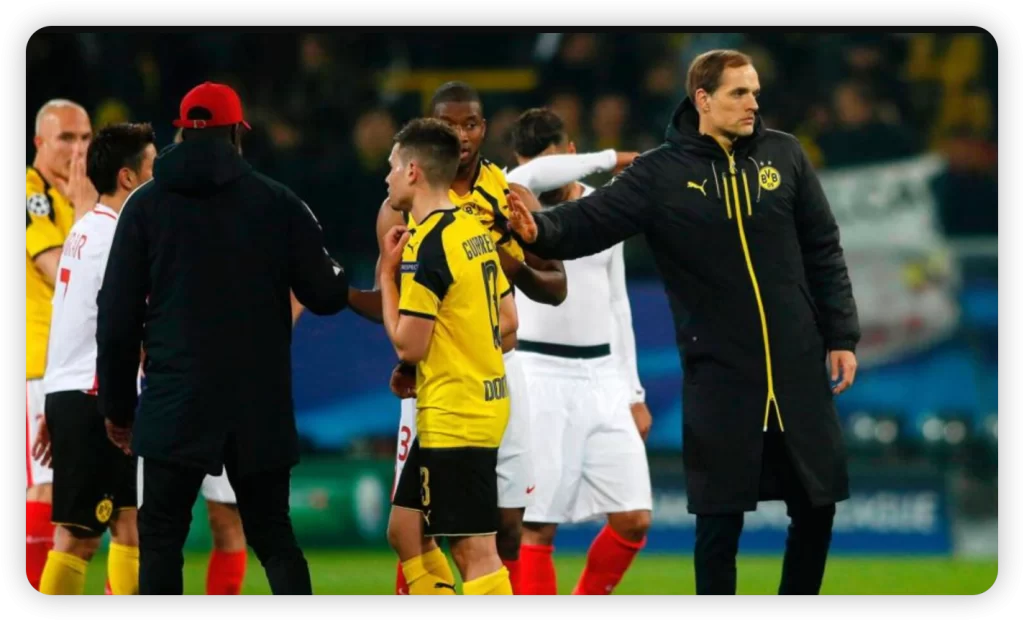
Thomas Tuchel did not hold back in his assessment of the process, telling reporters that his team felt “powerless” upon receiving what he described as a text message informing them of the new kick-off time. He argued that UEFA did not give his side adequate time to process the traumatic events and prepare mentally or physically for a game of such magnitude. This perspective was supported by German football legend Lothar Matthäus, who called the governing body’s decision “incomprehensible.”
The Footballing Consequence
Despite the immense emotional toll, the match went ahead. In a testament to their professionalism, Dortmund‘s players took to the pitch, but they ultimately fell to a 3-2 defeat against a sharp Monaco side. The result leaves their Champions League dreams hanging in the balance ahead of the second leg. Many pundits, including analysts cited by Baji, have questioned whether the result was influenced by the obvious distress of the Dortmund squad, who were asked to perform at the elite level while undoubtedly grappling with fear and shock.
The Road to Recovery: Physical and Mental
For Borussia Dortmund, the path forward is twofold. The immediate football schedule continues with a crucial Bundesliga fixture, demanding focus and performance. Simultaneously, the club must navigate a longer journey of healing. Marc Bartra’s four-week recovery timeline is a clear physical setback for Tuchel’s defensive options. More complex is the mental recovery for the entire traveling party.
As Tuchel eloquently described, the emotional process comes “in waves.” Some moments feel manageable, while others bring the reality of the trauma crashing back. Clubs now, more than ever, are recognizing the importance of psychological support for athletes, and this incident will likely become a case study in crisis management in sports. Experts in sports psychology suggest that open communication and time are vital, resources that were seemingly in short supply given the swift rescheduling of the match.
A Statement from UEFA
Following the strong comments from Tuchel, UEFA issued a statement defending its position. The governing body denied that either club was forced to play and reiterated that the decision to proceed with the match on Wednesday was made in cooperation with Borussia Dortmund. This assertion has created a narrative conflict, highlighting the immense pressure on all institutions involved to balance safety, sensitivity, and the relentless commercial and logistical machinery of modern football.
# Borussia Dortmund’s Resilience Tested: Tuchel Reflects on “Worst Day Ever” After Attack
The attack on the Borussia Dortmund team bus was a stark reminder that football exists in the real world, vulnerable to its dangers and tragedies. The courage shown by the players, staff, and especially Marc Bartra is commendable. However, the subsequent debate raises critical questions about the duty of care sports organizations owe to their participants. At Baji, we believe the wellbeing of athletes must always be the paramount concern. As Dortmund continues to heal, the football world watches and learns, hoping for a full recovery for Bartra and a second-leg performance that truly reflects the strength and spirit of this renowned club.
What are your thoughts on UEFA’s decision to play the match so quickly? How should sports leagues handle such unforeseeable crises? Share your views in the comments below and explore more in-depth football analysis right here on Baji.
